

Article Summary
- A 2026 federal case held that a Nevada DAPT did not protect California real estate from creditor claims.
- Applying California conflict-of-laws rules, the court treated California law as controlling and allowed foreclosure to proceed.
- The structure failed because it combined an out-of-state trust, California-situs property, and continued settlor control.
- The ruling shows that self-settled DAPTs are weak stand-alone protection tools for California owners with in-state real estate.
- Effective planning requires layered entities, real separation of control, and asset-protection structures aligned with the asset’s location.
If you own California real estate, your asset protection strategy cannot rely solely on labels. A federal court decision in early 2026 made that clear. In United States v. Huckaby, 2026 WL 587784 (E.D. Cal. Mar. 3, 2026), a Nevada Domestic Asset Protection Trust failed to shield California real estate from a federal tax lien. The ruling did not change the law. It showed how courts already analyze control, situs, and structure.
That’s the real issue for business owners. If your structure faces a claim, a court will look at where the asset sits, who controls it, and how the plan works in practice. That is why strong asset protection planning starts with legal reality, not with a favorable trust jurisdiction on paper.
What the Huckaby Case Means for California Real Estate
An attorney transferred a one-half interest in California real estate into a Nevada DAPT while he and his spouse remained the settlors, trustees, and beneficiaries. The court then applied the Restatement (Second) of Conflict of Laws.
Two rules controlled the outcome:
|
Issue |
Governing Rule |
Result |
|
Trust interpretation |
Restatement §277 |
Nevada law applied |
|
Creditor rights in real property |
Restatement §280 |
California law applied |
This distinction decided the case. Nevada law could govern the interpretation of the trust, but California law governed creditor rights because the property was in California. Under California Probate Code §15304, a self-settled trust does not protect assets from creditors. The lien was attached, and foreclosure was authorized.
Three Reasons the DAPT Failed
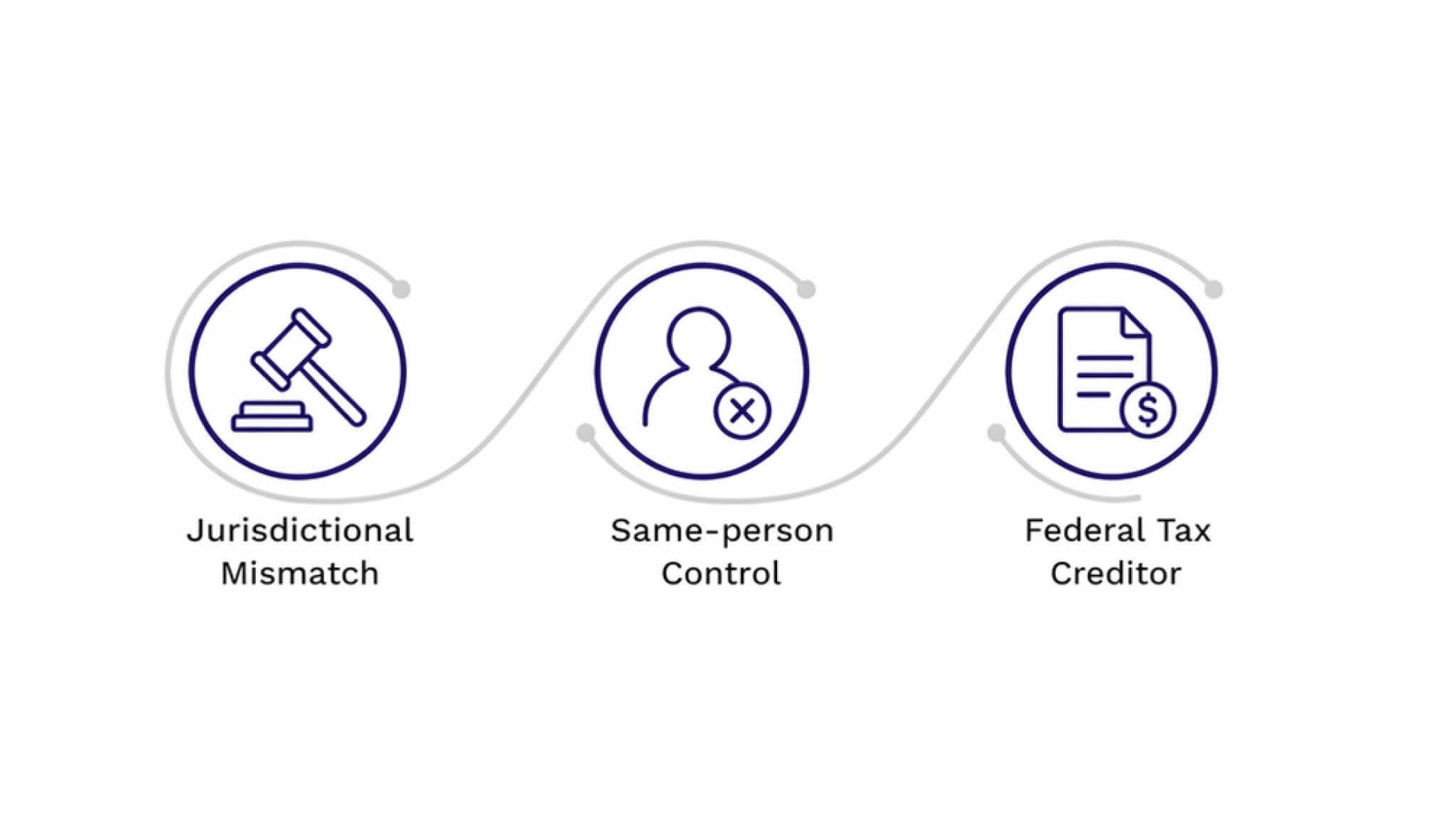
The trust did not fail because of one small mistake. It failed because the structure had three clear weaknesses that made it vulnerable under California and federal law. If you own California real estate, each of these issues should shape your California asset protection strategy.
- Jurisdictional Mismatch
The trust relied on Nevada law, but the asset sat in California. Courts apply situs law to real property, which means California courts do not have to honor Nevada asset-protection statutes for California real estate.
For your real estate asset protection strategies, this is the first checkpoint. If the property is in California, start your analysis with California law.
- Same-person Control
The same individuals acted as settlor, trustee, and beneficiary. Courts look at control, not labels. If the same person creates, controls, and benefits from the trust, protection usually fails.
This is where weak trust planning breaks down. Formal titles do not help when control stays in the same hands.
- Federal Tax Creditor
The creditor was the IRS, not a private plaintiff. That matters because federal tax liens are governed by federal law. No domestic trust statute overrides that power. This limit applies across domestic structures.
If your asset protection strategy ignores federal collection power, it leaves a serious gap.
The Limits of the Huckaby Case Decision
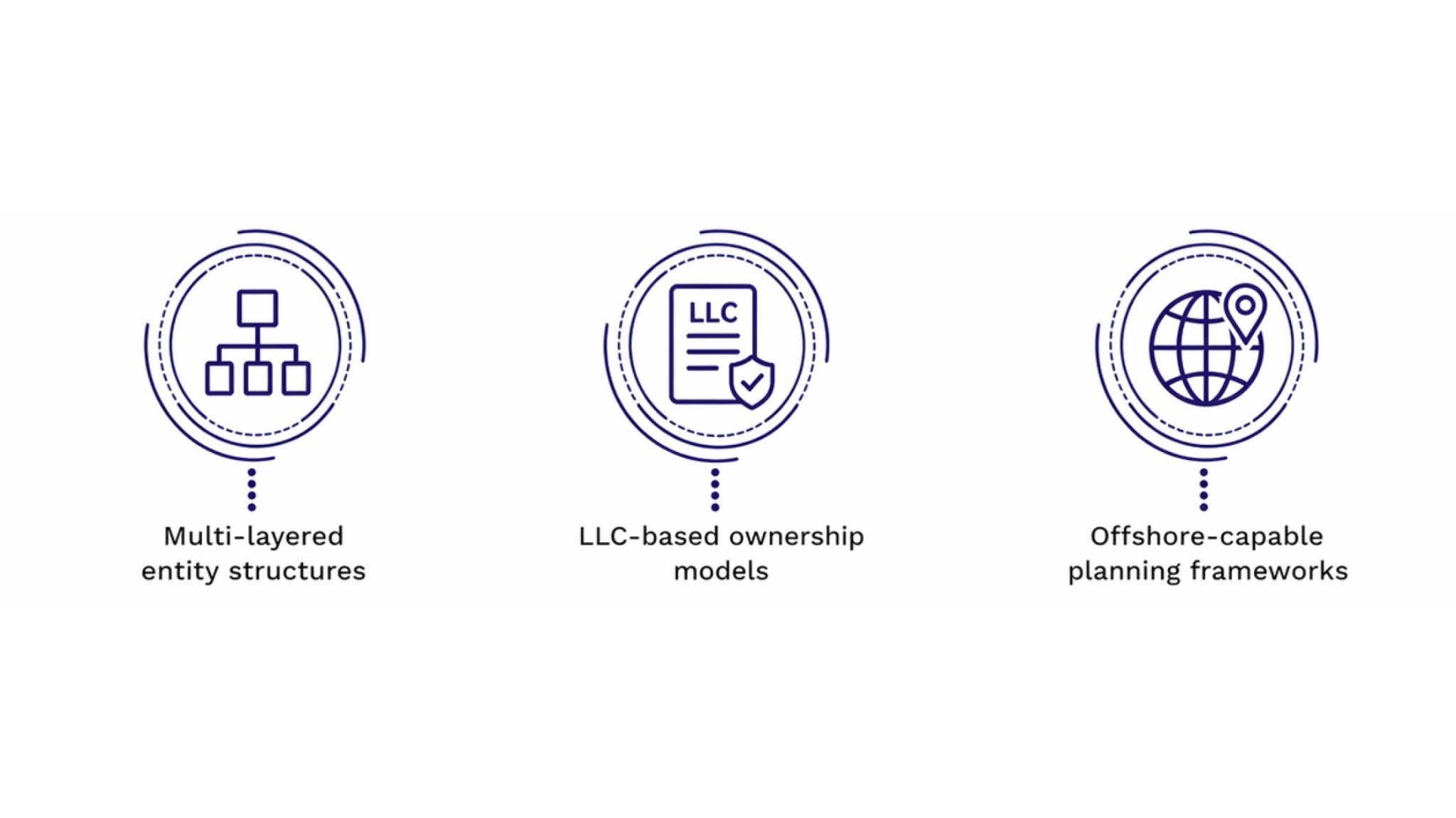
It is easy to read the United States v. Huckaby case and assume it weakened asset protection planning across the board. It did not. The ruling was limited to one specific structure: a Nevada DAPT that held California real estate directly. It did not evaluate:
- Multi-layered entity structures
- LLC-based ownership models
- Offshore-capable planning frameworks
It also did not reject estate planning asset protection as a concept. It rejected a specific design.
That distinction matters. A flawed structure losing in court does not mean every structure fails. It means courts will test the actual design.
Why LLCs Offer Stronger Real Estate Protection
The Huckaby structure held real estate directly inside a trust, which created direct exposure under California law. An LLC changes the analysis because the creditor’s target shifts from the property to the ownership interest.
|
Structure Type |
Exposure Point |
Creditor Remedy |
|
DAPT holding real estate |
Real property |
Foreclosure risk |
|
LLC holding real estate |
Membership interest |
Charging order |
Under California Corporations Code §17705.03, a creditor is generally limited to a charging order against the membership interest. That can mean:
- No forced sale of the property
- No control over the LLC
- Only rights to distributions, if made
This is why LLCs often perform better in real estate asset protection strategies than direct trust ownership of California real estate.
Why Layered LLCs Add More Protection
One LLC can give you a useful layer of separation between you and the property. But in some cases, adding another entity on top of it can make the structure harder for a creditor to reach.
Example:
- LLC #1 holds the real estate
- LLC #2 owns LLC #1
- The individual owns LLC #2
Now, a creditor faces more steps. That added friction, cost, and uncertainty can improve the structure’s defensive value. This is where asset protection planning becomes more than forming one entity and hoping it holds.
Where Entity Planning Still Fails
Even with a stronger LLC or layered entity structure, asset protection can still break down if the entities are not properly maintained. The main risks include:
|
Risk |
Why It Matters |
|
Alter ego claims |
Courts can disregard entities if formalities fail |
|
Poor capitalization |
Weakens liability protection |
|
Commingling funds |
Signals lack of separation |
|
Failure to register in CA |
Creates compliance exposure |
|
Fraudulent transfers |
Can unwind planning if timing is wrong |
These are common failure points that lead to piercing the corporate veil or reverse piercing. If you want an asset protection strategy that holds up, the entities must be real, separate, and properly maintained.
How to Turn the Huckaby Case into Better Planning
The Huckaby case reinforces a broader point. Asset protection is not about one document. It’s about coordinating:
- Entity formation
- Asset placement
- Control structure
- Jurisdiction selection
This is where estate planning becomes more effective. Trust planning still has a role, but it works best when it is integrated with entity planning, tax planning, and long-term ownership goals.
When a Bridge Trust® Structure Makes More Sense
The decision highlights the limits of domestic DAPTs for California real estate held directly. It does not eliminate the need for more advanced planning. A properly designed Bridge Trust® structure may address the same weak points by:
- Avoiding direct ownership of real estate inside the trust
- Using layered entities to hold assets
- Separating control through independent fiduciaries
- Incorporating broader jurisdictional planning
The point is not the label. The point is whether the structure solves the control and creditor-remedy problems that defeated the trust in Huckaby.
Protect Your California Real Estate with More Confidence

The Huckaby case did not change the rules. It showed what happens when those rules are ignored. California courts will apply California law to California assets, examine control, and disregard structures that do not hold up under scrutiny.
Dahl Law Group works with business owners as your Strategic Planning Counsel for Business Owners™ to align asset protection planning, entity structure, tax strategy, and long-term planning. Contact us today to discuss a more secure plan for your real estate and business assets.
FAQs
- Does a Nevada DAPT protect California real estate?
Usually, no. Huckaby shows that California law controls creditor rights for California real property, even if the trust instrument points to Nevada law.
- Why did the trust fail in Huckaby?
It failed because the trust was self-settled, the same people controlled and benefited from it, and the asset was California real estate. California Probate Code §15304 made the spendthrift restraint ineffective against creditors.
- Are LLCs better than DAPTs for real estate asset protection strategies?
They can be better for California real estate because they can shift the creditor’s remedy toward a charging order against the LLC interest rather than direct access to the real property.
- What is a charging order?
It is a court-ordered lien on a debtor’s transferable LLC interest. It gives the creditor rights to distributions that would otherwise go to the debtor, without automatically giving control of the LLC.
- Does this case affect offshore trusts?
The opinion did not address offshore trusts. It focused on a Nevada DAPT holding California real estate directly.
- When should you start asset protection planning?
You should do it before any claim, audit, or collection issue arises. Once liability is on the horizon, the risk of fraudulent transfer increases, and your options narrow.

Dahl Law Group
Latest posts by Dahl Law Group (see all)
- 7 Asset Protection Strategies California Business Owners Must Consider - August 14, 2026